
Local SEO 101 for Australian service businesses.
Most local SEO advice online is American, generic and full of busywork. Here’s what actually moves the needle for Australian trades and service businesses — the five things to focus on, and what to ignore.
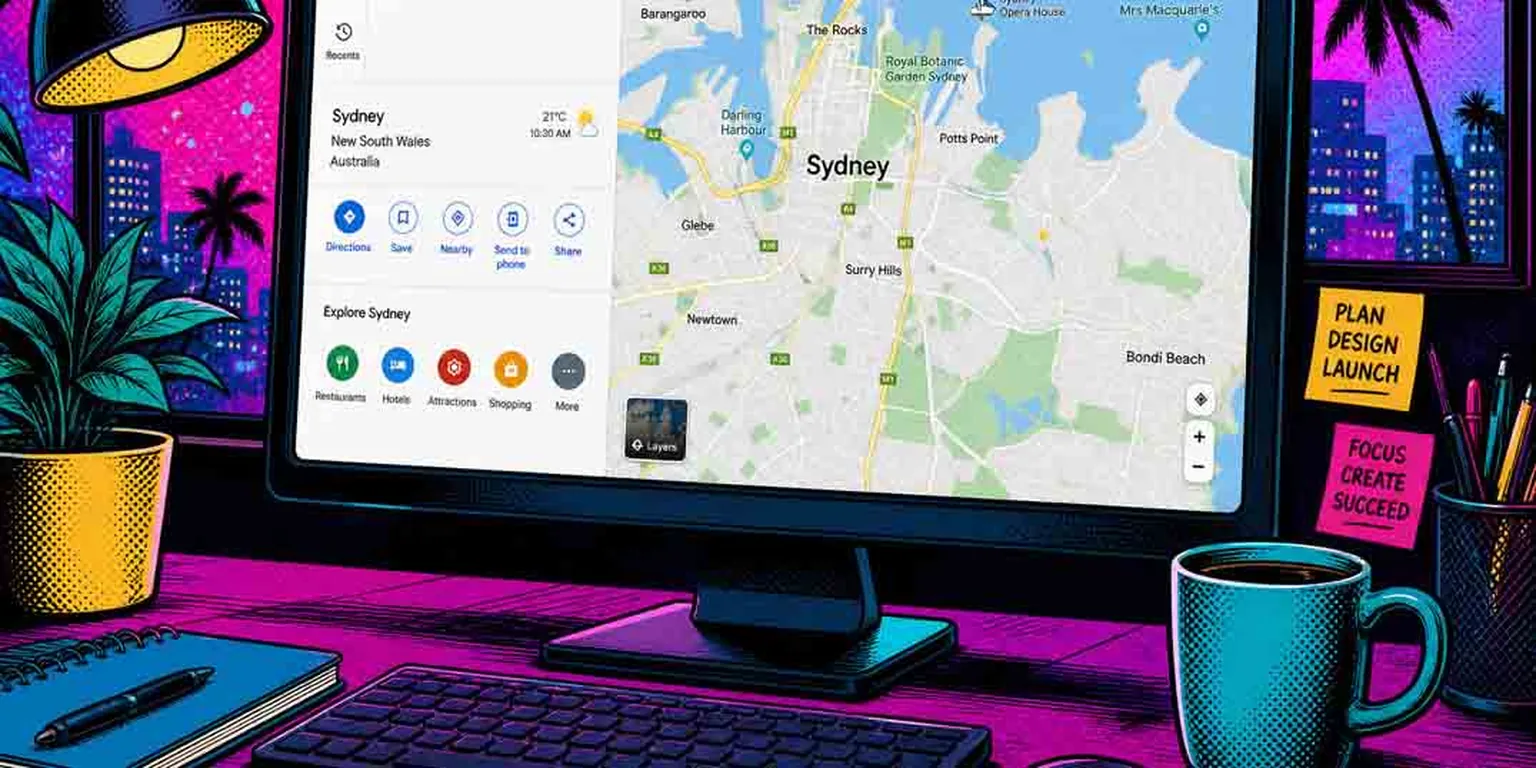
If you run a service business in Sydney or Brisbane and you’re not in the Google map pack — the three listings with the map that show up first — for your top few search terms, you’re leaving the lion’s share of local enquiries on the table. Map-pack ranking is the difference between a phone that rings and one that doesn’t.
The good news: local SEO has high leverage. Most of your competitors are doing two things wrong, three things badly, and zero things well. You don’t need to do everything. You need to do the right five things.
The five things that actually move the needle
1. Categories on your Google Business Profile.
This is the single biggest lever. Google ranks you partly on your primary category — and most businesses pick a vague one (“Contractor”) when a more specific one would beat the field (“Landscaper” or “Concrete Contractor”). Audit yours. Match it tightly to the search intent you want to win, and fill in every relevant secondary category too.
2. “Near me” and suburb searches — be the closest, clearest answer.
Half of local searches are now “near me” or suburb-specific — “concreter near me”, “electrician Parramatta”, “plumber Paddington Brisbane”. Google leans on where the searcher is and how relevant your profile is to that suburb. Set your service areas properly (the actual suburbs you cover, not “all of Sydney”), and make sure your Business Profile and website spell out the areas you work.
3. Reviews — volume and recency.
Reviews drive ranking and they drive conversion. Two things matter: how many you have, and how recently you got the last one. Sporadic reviews from years ago don’t cut it. Set up an automated review-request workflow that nudges happy customers right after the job, every time. A steady trickle of recent five-star reviews beats a big pile from three years ago.
4. Suburb pages — on-page SEO and schema.
If you serve multiple suburbs, build a dedicated page for each one — a real page about your work in Bondi, another for Chatswood, another for Fortitude Valley — not one thin “areas we cover” list. Add LocalBusiness, Service and FAQ schema. Title tags should match the search (“Electrician Newtown”, not “Welcome to our website”). Internal linking should push ranking power to the pages that convert.
5. Local backlinks — from Australian sites.
A backlink from a Sydney community site or a Brisbane industry directory is worth ten from random international link farms. Sponsor a local footy or netball club. Get listed in your industry association directory. Apply for awards. Real, Australia-relevant links signal local authority.
What to ignore
Plenty of local SEO “tactics” sound impressive but don’t move rankings. Skip these:
- Buying random backlinks. Either useless or actively penalised.
- Stuffing keywords into your business name. Google de-ranks for it.
- Fake reviews. Will get spotted, will get your account suspended.
- Posting random “Google Posts” daily. They expire in 7 days, drive almost no ranking signal, and most aren’t worth the time.
- Generic blog content. A blog post about “5 reasons to hire a plumber” isn’t going to outrank a competitor with better reviews and proper suburb pages.
How long until results?
Most clients see Google Business Profile movement in 4–8 weeks — new categories, photos and reviews work fast. Map-pack ranking for competitive terms typically takes 3–6 months, depending on how aggressive your competitors are and how clean your foundations are when you start.
The honest reality
Local SEO is not magic and it’s not set-and-forget. It’s five fundamentals done well and kept up. If you’ve got the time and patience, you can DIY it. If you’d rather have someone run the workflow, sort the suburb pages and chase the reviews, that’s exactly what our Local SEO service is for.
Either way, start with the categories. That’s the one that moves the needle fastest.